Becoming a successful personal trainer involves more than knowing how to coach a workout. The role combines strong people skills with technical fitness knowledge, allowing you to motivate clients, keep them safe, and help them achieve long-term results.
Some of these skills come naturally, such as communication or approachability, while others are developed through professional training and hands-on experience. Both are equally important in building trust, retaining clients, and progressing in the fitness industry.
In this guide, we break down the key skills every personal trainer needs, highlighting which qualities you may already have and which skills you’ll develop as part of your training and career.
- Soft vs Hard Personal Trainer Skills
- 9 Soft Skills Needed to Become a Personal Trainer
- What Hard Skills Will You Learn During a Personal Trainer Course?
- FAQ
While having the right skills is important, becoming a personal trainer also requires an accredited qualification! Learn more about personal training diploma or download our course prospectus now.
Soft vs Hard Personal Trainer Skills

Personal trainer skills fall into two main categories: soft skills and hard skills.
Soft skills are personal qualities such as communication, empathy, motivation, and approachability. These skills are rooted in emotional intelligence and help personal trainers build trust, encourage consistency, and maintain strong client relationships.
Hard skills are technical and practical abilities, including exercise knowledge, programme design, client assessment, and health and safety. These skills are typically developed through accredited personal trainer courses and hands-on experience.
Both skill types are essential. Hard skills allow you to train clients safely and effectively, while soft skills help you motivate, retain, and support them long term. The most successful personal trainers develop a strong balance of both.
Soft Skills Needed to Be a Personal Trainer
1. Motivating
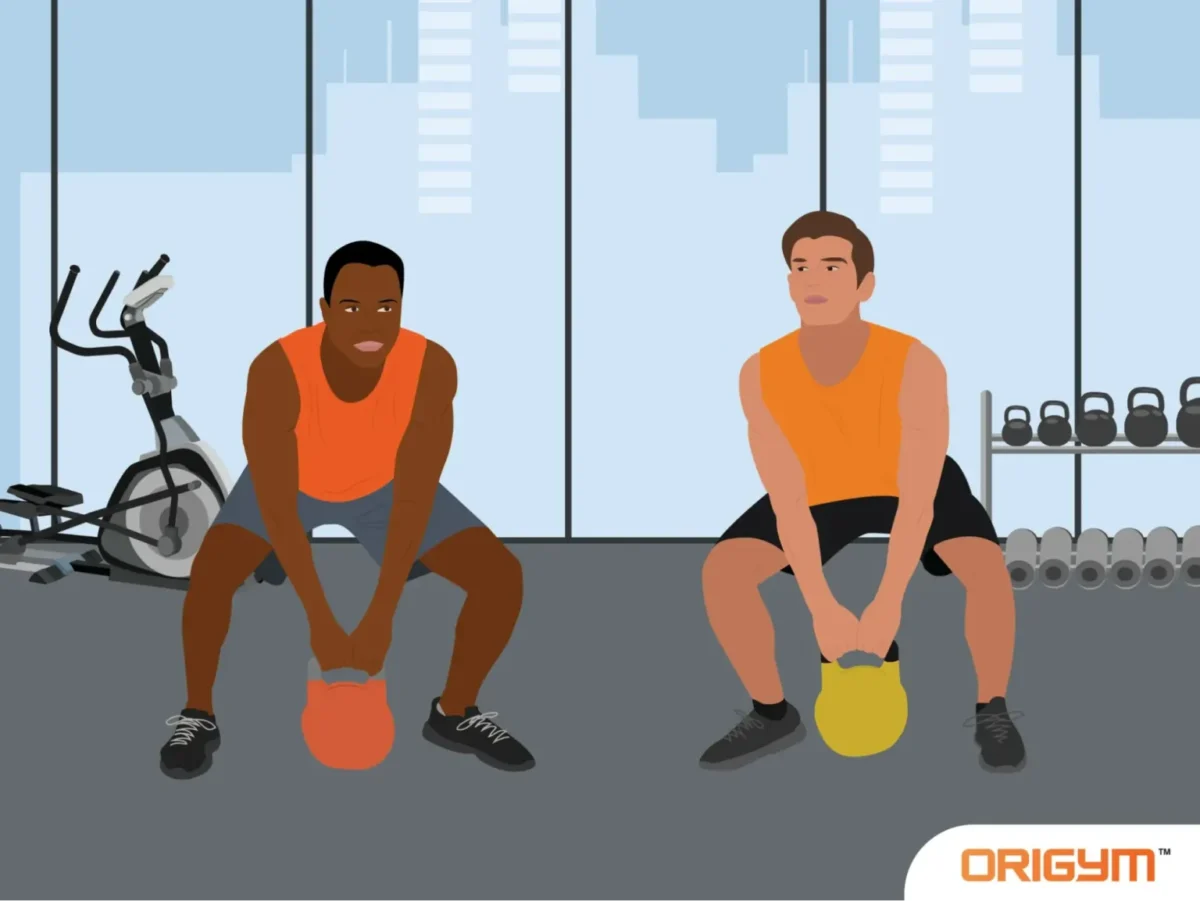
Arguably one of the most important skills for a personal trainer is the ability to motivate your clients. After all, this is one of the main reasons that people decide to get a PT!
As a personal trainer, you should be able to see the potential in your client and push them to reach it. A good PT is fully invested in their client and wants to see them achieve their goals.
During a PT session, you should be confident enough to give words of encouragement to your client as they are performing the exercises. If they are close to giving up before the final rep, it is up to you to help them make that one last push! This is all part of having good personal trainer leadership skills.
Motivation doesn’t stop at encouragement during a session. Creating an engaging and well-balanced training programme also plays a big role in keeping clients committed. If sessions are too easy, clients may lose interest, but if they are too challenging, they can become discouraged. Finding the right balance is a key skill for any personal trainer.
2. Empathy and Compassion

Perhaps two of the most overlooked personal trainer skills are empathy and compassion.
When people think of personal trainers, the stereotype is someone who just shouts at clients in the gym – but this couldn’t be further from the truth!
In fact, personal trainers should be sensitive to their client’s emotions and adapt their training style to each individual. This can be harder than it sounds, especially if you have lots of different clients in a single day.
For example, empathy is a good personal trainer skill to have if your client is struggling to complete a workout. Whilst it can be easy to put this down to a lack of motivation or disinterest, a good PT should instead think about any other reasons that may be affecting your client’s performance. Is there something on their mind? Have they had a particularly stressful day at work?
Simply asking your client a few questions such as ‘how was your day?’ or ‘how are you feeling today?’ before you start a session is an easy way to demonstrate this personal trainer skill.
3. Communication

Strong personal trainer communication skills help build trust, retain clients, and attract new ones. Clear instructions are essential during sessions, both through demonstrations and verbal guidance.
A good personal trainer can explain exercises in simple terms and adapt their approach based on client feedback. Listening is just as important as speaking, especially when adjusting programmes to suit progress or ability.
Maintaining communication outside of sessions, such as organising bookings or checking in between workouts, also helps strengthen long-term client relationships.
4. Positivity
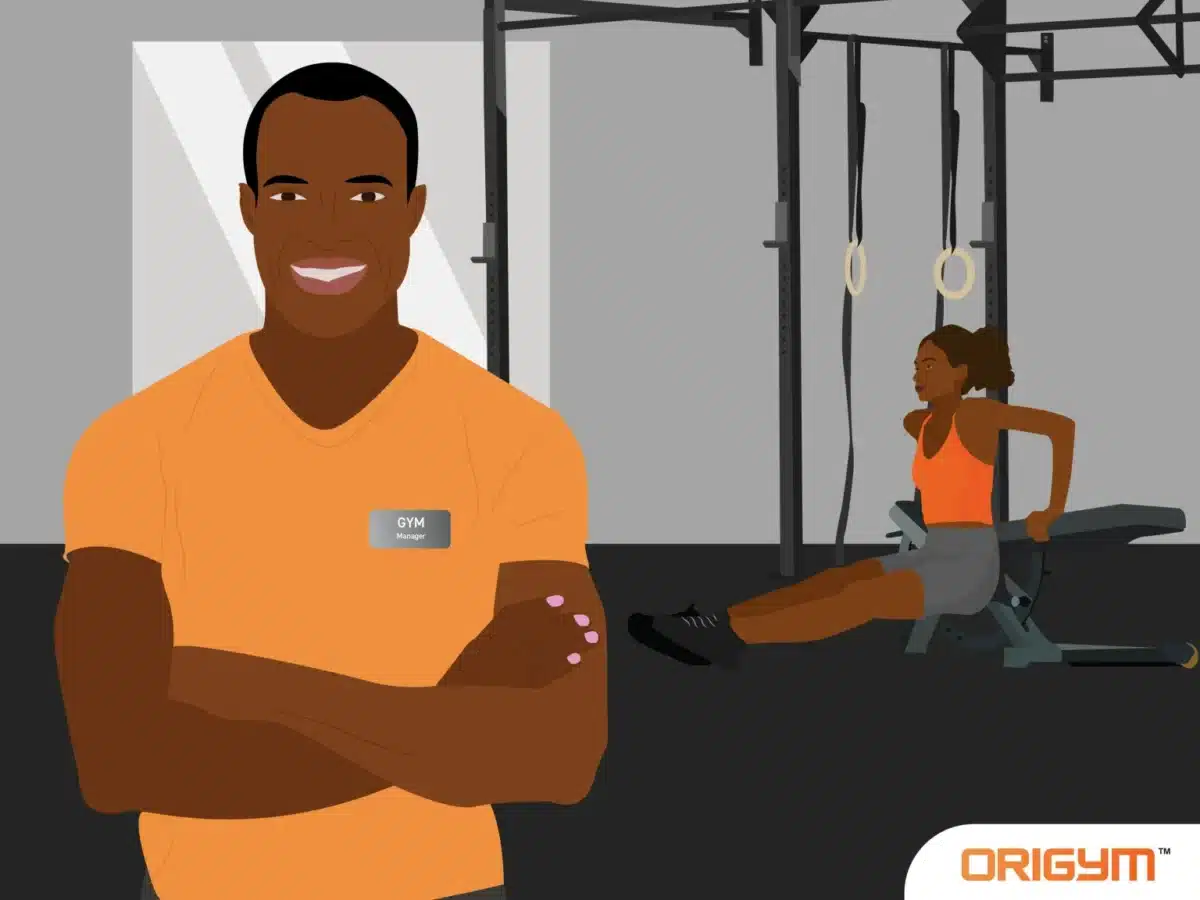
One of the most important skills needed to be a personal trainer is positivity! Making your sessions a positive experience is an easy way to make sure that you are getting the most out of your clients.
As a personal trainer, your clients will feed off your positive energy. There will be times when they are feeling unmotivated or they are struggling with the programme, and having a positive and optimistic attitude is key for helping your client get through these times.
Essentially, if you are really passionate about fitness, this should come across to your clients. Positivity really is infectious!
5. Self-Development

As with any job, it can be easy to get set in your ways and get too comfortable. However, one of the most important qualities of a personal trainer is self-development.
Self-development is simply about wanting to progress and add new skills to your repertoire. This is not only beneficial on a personal level, but it also means that you can expand your client base to reach more niche clientele.
In the fitness industry, self-development is one of the best personal trainer resume skills you can have. As one of the fastest-changing sectors out there, employers will want to see how you are keeping up with the latest trends and changes in the industry.
The best way to practice self-development as a personal trainer is to add more skills and qualifications to your CV. For example, completing an advanced sports nutrition course or an obesity and weight management qualification can help you stand out and gain new skills.
6. Being Friendly And Approachable

As a public-facing role, being friendly and approachable is a particularly good personal trainer quality to have.
Many clients come to personal trainers because they are uncomfortable or inexperienced in a gym environment. So, the last thing they need is a personal trainer who is just as intimidating!
Your client should feel comfortable asking you questions about anything they don’t understand, no matter how obvious the answer may be.
This soft skill can be easily developed through your own self-development or from observing other personal trainers and how they interact with clients.
7. Commitment and Reliability

Like any job, a personal trainer must be committed and reliable. This is especially the case if you are a freelance or self-employed personal trainer, as you essentially determine your own hours.
When you take on a client, you have a responsibility to always deliver only the best service to them. This means always turning up on time and giving your all to every single session.
A good personal trainer would encourage your client to commit to the training programme, so you need to practice what you preach!
For employers, commitment and reliability are one of the most important personal trainer skills they are looking for, as it determines how you will be as an employee. They may ask for references from your previous job to vouch for how reliable you are.
8. Creativity
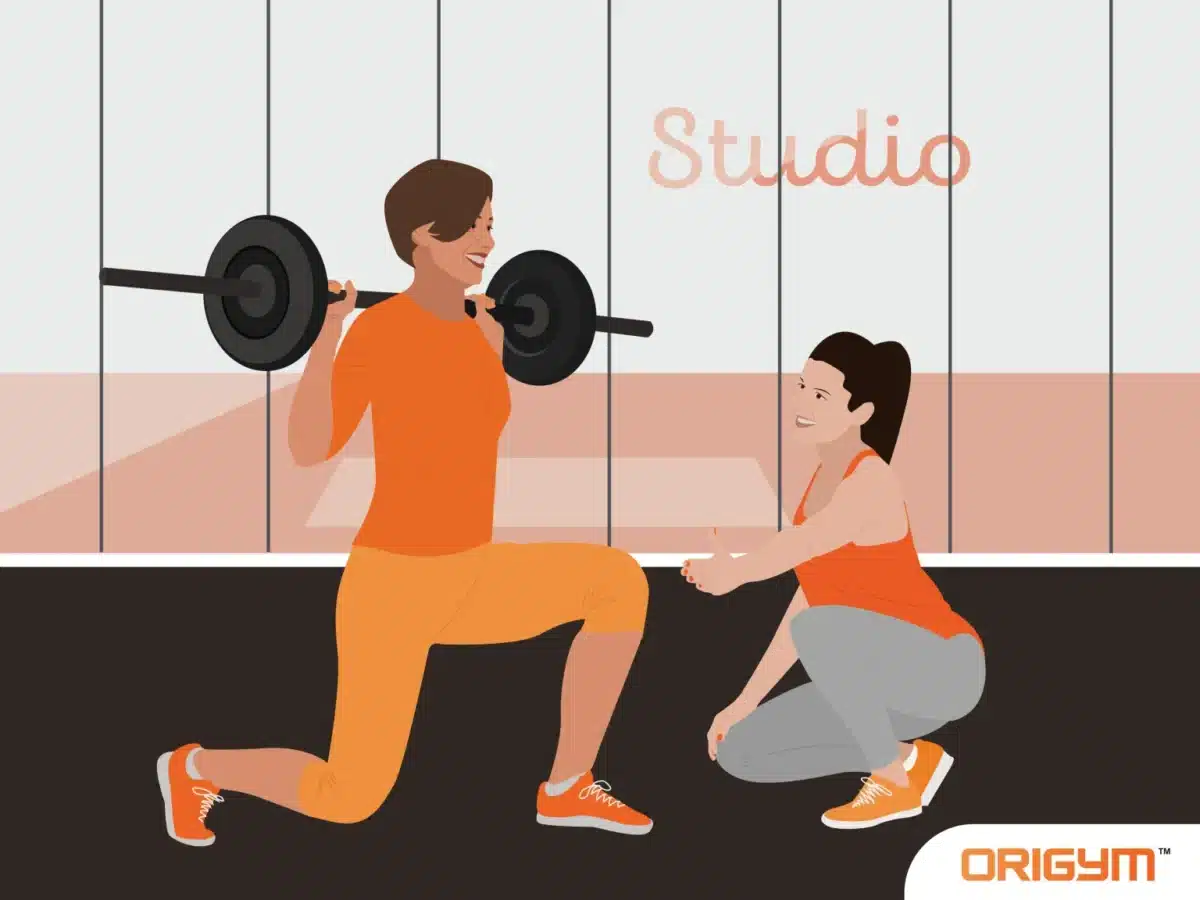
Creativity is another important skill for personal trainers, even though the role is often highly technical. Creative thinking helps keep sessions engaging and prevents training from becoming repetitive.
Well-designed programmes should strike a balance between being enjoyable and effective, supporting progress while keeping clients motivated. Varying exercises, formats, and training styles can make sessions more engaging and help clients stay consistent over time.
Creativity also helps personal trainers stand out in a competitive industry. Trainers who bring variety and personality to their sessions are more likely to attract and retain clients than those with a more traditional approach.
Social media is one of the most effective ways to showcase this creativity. Sharing engaging content such as videos, client reviews, and workout ideas can help build your brand and attract new clients. For inspiration, explore these personal trainer social media ideas.
9. Flexibility

Another important skill to have as a personal trainer is the ability to be flexible in terms of your working hours.
Personal trainers certainly do not have a conventional 9-5 working pattern. However, your clients probably do! You should therefore be prepared to meet clients early in the morning before work or late in the evening- and everything in between.
If you are employed by a gym, you may have more regular shifts, but they may still be during unsociable hours! Flexibility is therefore especially important if you are working as a freelance personal trainer.
In fact, the flexible nature of the job can actually be a great benefit of being a personal trainer. Since you are mostly in control of your own hours, you can schedule a long weekend or a midweek day off if you want to.
What Hard Skills Will You Learn During a Personal Trainer Course?
Hard skills are the technical abilities needed to train clients safely and effectively. While soft skills help you motivate and support clients, hard skills form the professional foundation of personal training.
These skills include areas such as anatomy and physiology, exercise technique, programme design, nutrition principles, and session delivery. The exact skills you develop can vary depending on the course structure and provider, which is why it’s important to compare personal trainer courses carefully before choosing where to train.
Choosing a recognised training provider ensures these skills meet industry standards and prepares you for real-world work as a personal trainer.
1. Client Assesment and Goal Setting![]()
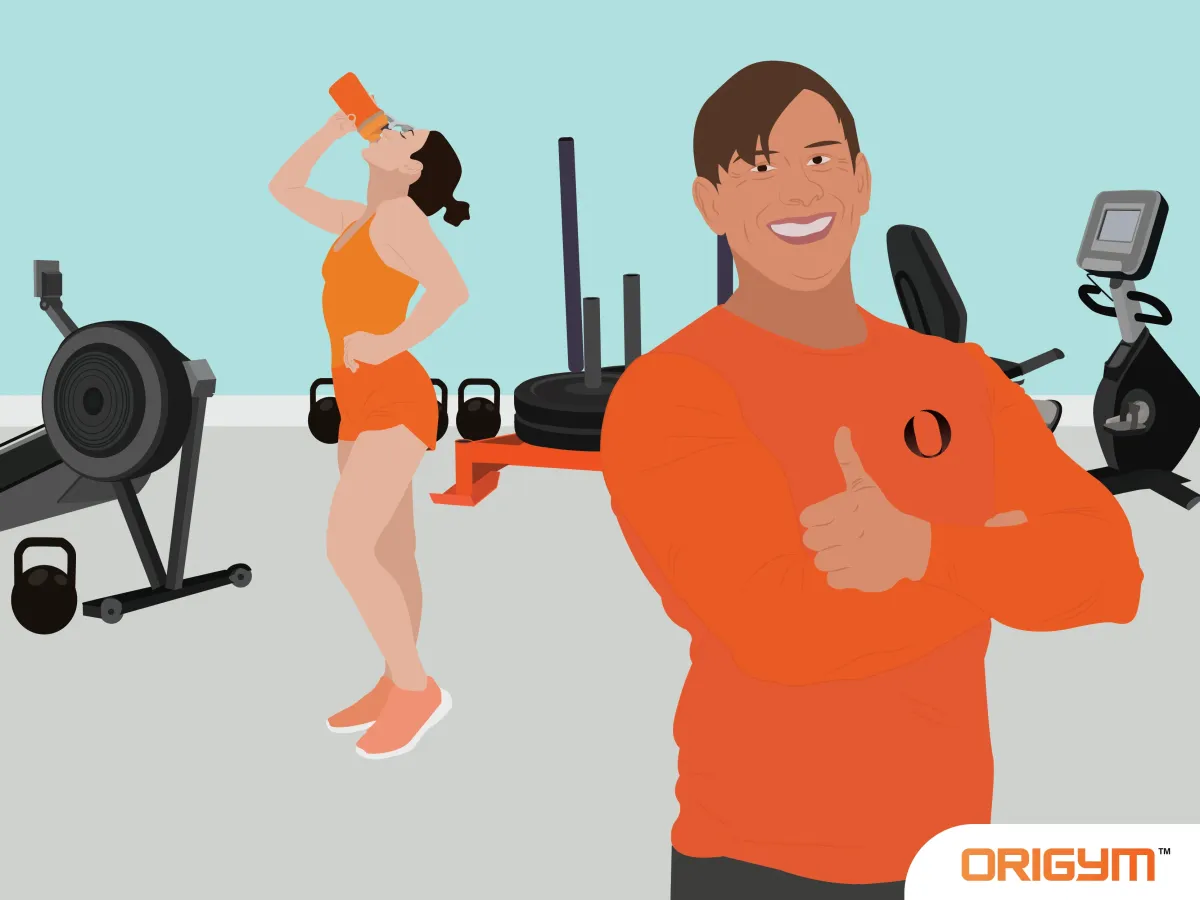
Learning how to conduct fitness assessments is one of the vital hard skills you’ll develop on a personal training course.
Here you’ll learn how to assess a client’s fitness levels and abilities, monitoring factors such as their body composition, cardiovascular endurance, muscular strength and flexibility.
The data collected from these assessments is incredibly valuable and can be used to set SMART fitness goals tailored to your clients’ specific needs and abilities.
Assessments aren’t just a one-time thing either. While they are used when a client first signs up for your services to establish workout programmes and goals, they can also be implemented to track progress and develop future targets later down the line.
2. Programme Design

Programme design is one of your largest responsibilities as a personal trainer. It involves creating structured workout plans tailored to a client’s goals, ability level, and assessment results.
Effective programme design takes into account training frequency, exercise selection, physical limitations, and progression over time. Even for common goals such as fat loss or muscle gain, programmes must be adapted to suit the individual.
Without strong programme design skills, it is difficult to deliver results or build credibility as a personal trainer. Employers and clients expect trainers to create safe, effective plans that support long-term progress.
3. Health and Safety
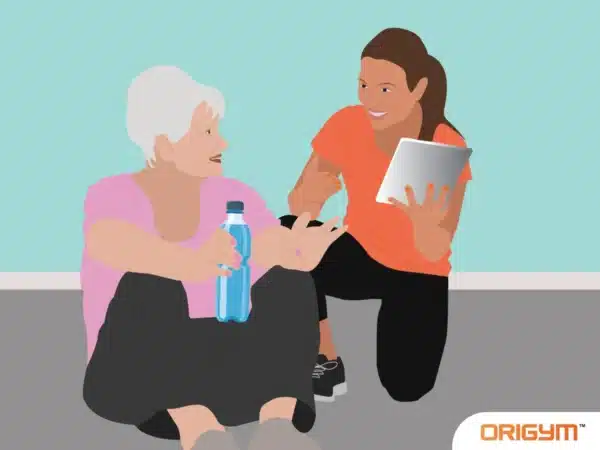
Health and safety should always be a top priority for personal trainers. You are responsible for ensuring clients are not put at risk during sessions or through the advice you provide.
This links closely to programme design, as workouts must be tailored to a client’s ability level and physical limitations. Personal trainers also need to teach clients how to exercise safely on their own, helping them stay consistent and avoid injury outside of supervised sessions.
When becoming a personal trainer you’ll learn key safety guidelines for training clients, including those in specialist populations like the elderly, children and vulnerable adults.
You should also understand potential environmental risks that the gym could pose, such as tripping hazards and damaged equipment to name a few. Learn more about this topic and how to combat any potential challenges with our full article on how to conducting a personal trainer risk assessment’.
4. Extensive Knowledge of Exercise

This one may sound obvious, but as a personal trainer you need to have an extensive knowledge of how to perform exercises safely, the benefits they impart, how frequently to do them, and any potential risks they could involve.
This is one of the most vital skills needed to be a personal trainer, as it affects all of the aforementioned points in this entire section.
Without extensive knowledge, you won’t be able to create effective workout programmes for your clients, offer alterations, provide feedback, conduct safety assessments, the list goes on and on.
In short, you won’t become a good personal trainer without taking the time to properly learn different types of exercise.
5. Marketing Skills

When questioning ‘what skills do you need to be a personal trainer?’, your first thought might not be marketing. But in fact, it is one of the most important aspects of being a PT.
Once you’ve developed extensive fitness knowledge, you need to know how to get clients as a personal trainer – to be simple, you need to develop marketing skills!
The term ‘marketing’ covers a lot of different areas, for example you could use social media as a personal trainer. Here you could post content like client testimonials, videos from your sessions, and workout tips to give prospective clients a sneak peek of your style of training.
That’s just scratching the surface. You could set up a Google Business profile, run ads on META, start a client referral scheme, or use the old-fashioned method of promoting via word of mouth.
Check out our full article on marketing tips & strategies for a detailed breakdown on how you can attract clients and grow your personal training business.
FAQs
What skills should I focus on developing during my personal trainer course?
During a personal trainer course, you should focus on developing key hard skills such as conducting client assessments, designing effective training programmes, applying exercise technique safely, and understanding basic nutrition principles.
These skills form the technical foundation required to work confidently with clients and deliver safe, results-driven training sessions.
What skills should I have before starting a personal trainer course?
You do not need any prior skills to start a personal trainer course, as it is designed for beginners.
However, an interest in fitness, a willingness to learn, and basic people skills such as communication and enthusiasm can help you feel more confident as you progress through the training.
What personal trainer skills should I list on my CV?
It’s essential to include your Level 4 Personal Training Qualification on your CV. This is the minimum requirement employers ask for and will signify to them you hold the necessary skills and knowledge to work for them. For more information on what to include, check out our article on writing a personal trainer CV.
How can I build specialist skills as a personal trainer?
Level 5 Personal Training courses will help to develop your specialist knowledge and skills in areas like sports nutrition, lower-back pain relief, weight management and more. These qualifications will advance your career by expanding upon the services you’re able to provide.
Do personal trainers need strong people skills?
Yes. Strong people skills are essential for personal trainers, as the role involves motivating clients, building trust, and adapting communication styles to different personalities. Clients are more likely to stay consistent and engaged when they feel supported and understood by their trainer.
Can you be a successful personal trainer without experience?
Yes. Many personal trainers start their careers with little or no industry experience. Accredited training courses are designed to teach the technical skills needed to work safely and effectively, while confidence, communication, and client management skills develop through hands-on practice over time.
Before You Go!
Developing the right skills is only part of the journey.
Turning those skills into a successful career comes from learning how to apply them in real-world settings, gaining confidence with clients, and training to recognised industry standards.
If you’re ready to take that next step, explore OriGym’s Personal Trainer Diploma or download our free prospectus to see how our courses help you develop both the technical knowledge and practical skills needed to succeed in the fitness industry.